⸻
We work with children who are furthest behind in foundational literacy and numeracy, as well as those who are out of school, to restore core learning skills and reconnect them to education. Through accelerated, level-appropriate instruction delivered by trained community teachers, and reinforced through structured, sport-based and joyful learning, we help learners rebuild essential skills, confidence, and consistent attendance.
Our approach enables children to catch up academically while creating a clear pathway back into formal schooling, supporting both re-enrollment and sustained participation.
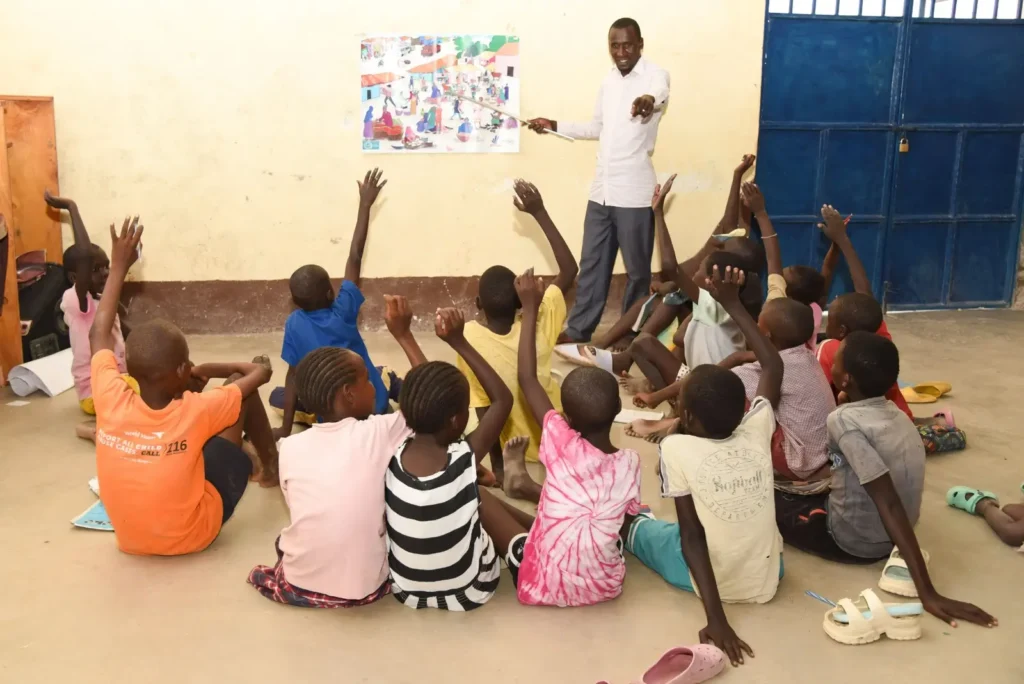
Keeping Pace is our flagship program, helping children who are behind in school or out of school build the reading and math skills they need to succeed. Delivered in schools and communities, the program is grounded in Teaching at the Right Level.
Tackling the learning crisis in Kenya
In Kenya, three out of four children in lower primary school cannot read a Grade 3 level text. Hundreds of thousands of children, particularly in pastoralist, informal settlement, and remote communities, are not enrolled in school at all. Poverty, mobility, and repeated academic failure combine to push these children permanently out of the education system.
Level-appropriate learning for every child
Keeping Pace builds foundational skills through accelerated, level-appropriate instruction based on TaRL. We integrate joyful learning activities and community teacher training drawn from Luminos Fund’s catch-up model, so children who have fallen behind can rebuild reading and numeracy skills at their own pace.

Keeping Pace applies TaRL through five steps.
⸻
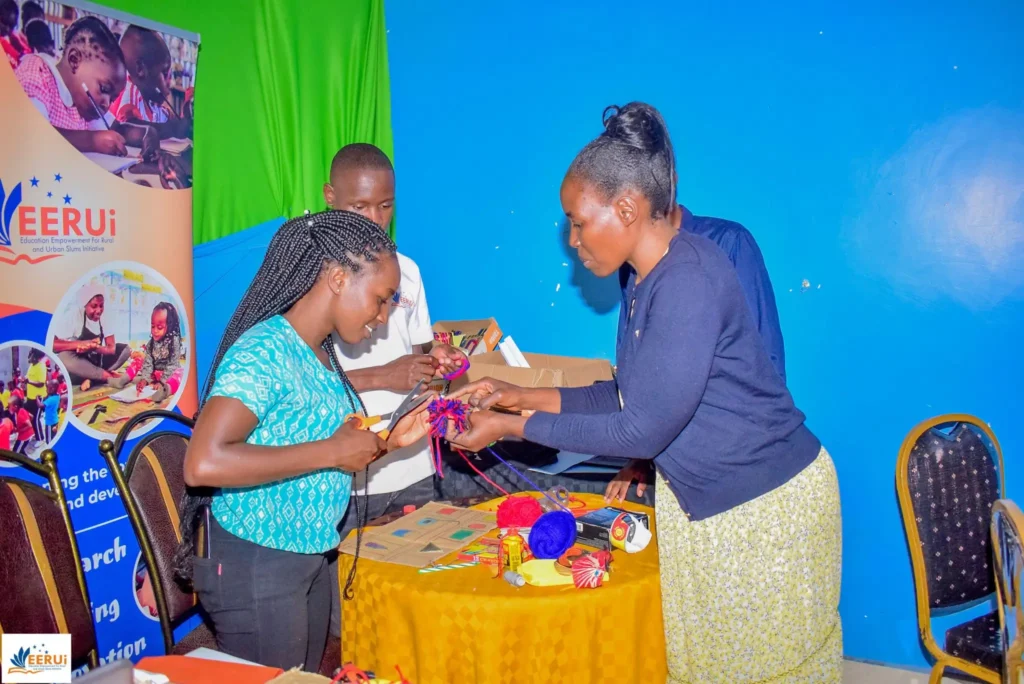
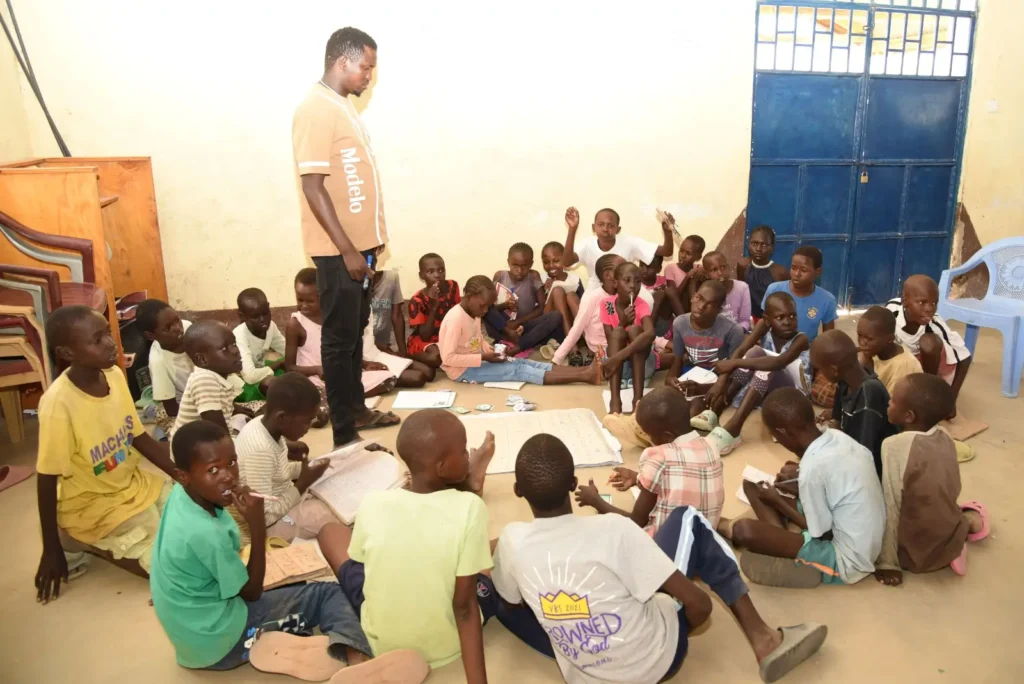
We train community teachers and facilitators in accelerated, level-appropriate methods, assessment tools, safeguarding practices, and strategies for engaging children who have experienced prolonged exclusion from learning.
⸻
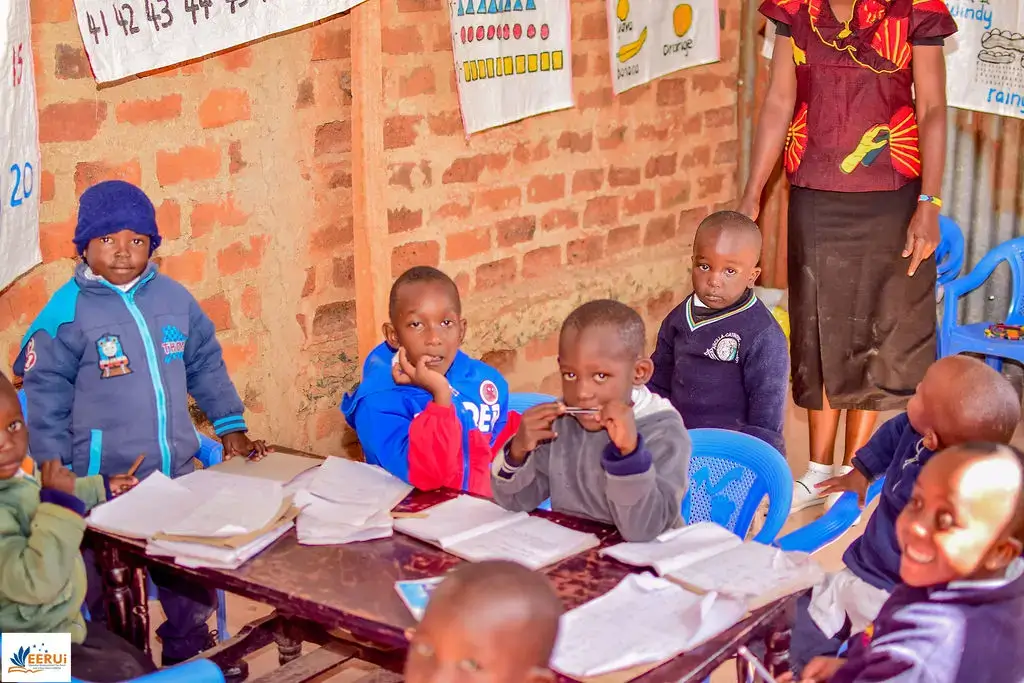
Children are assessed with simple diagnostic tools to determine their actual literacy and numeracy level, identifying gaps among both in-school and out-of-school children.
⸻
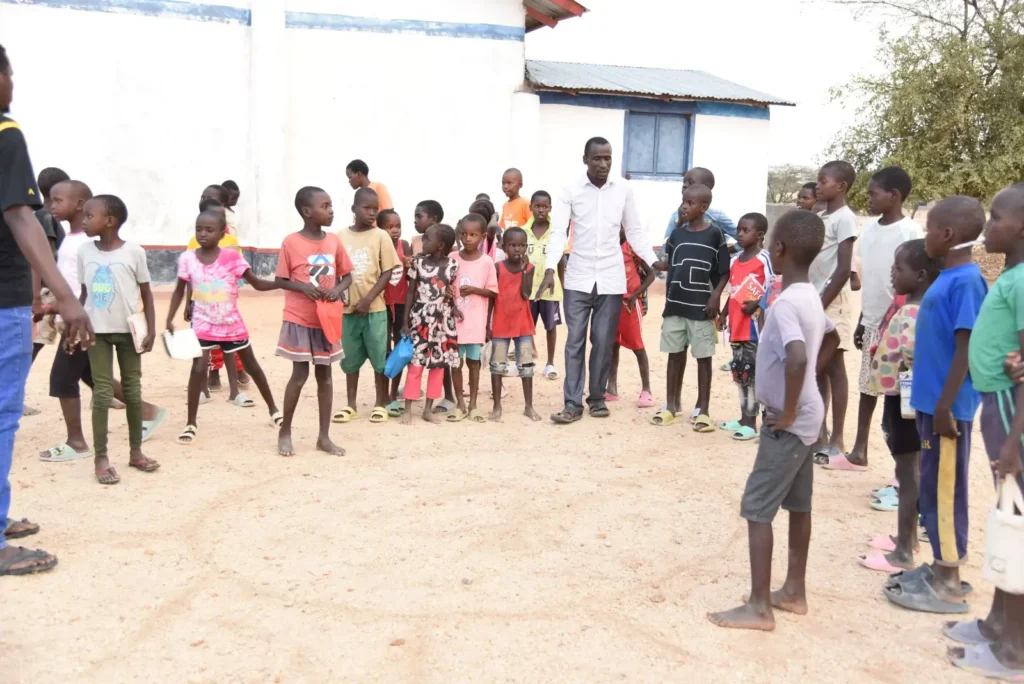
Learners are grouped by learning level rather than age or grade, letting children who have fallen far behind progress without stigma.
⸻
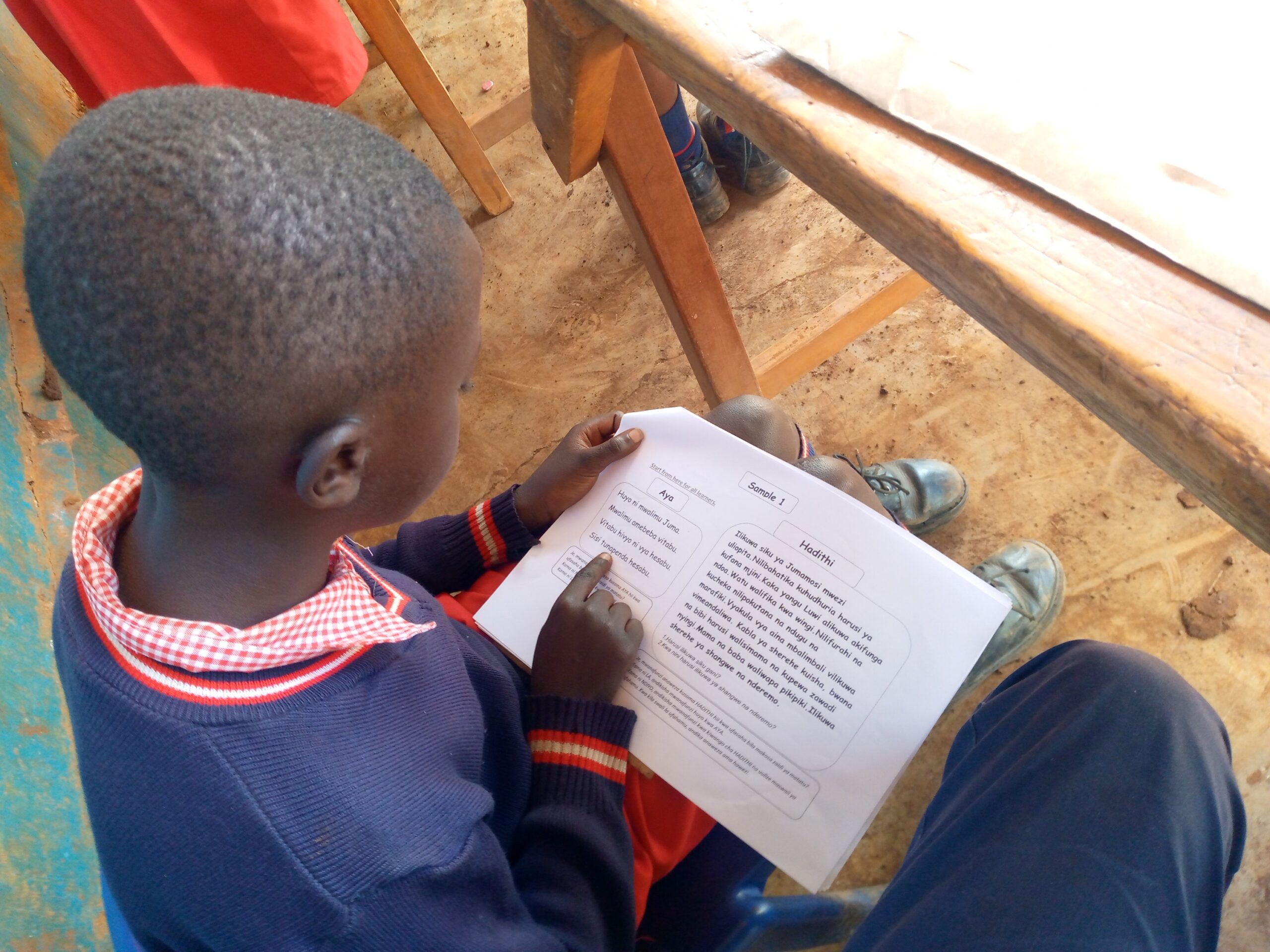
Each group works with a trained facilitator on activities matched to their level, prioritizing mastery of core skills over syllabus coverage.
⸻
Regular, low-stakes assessment tracks progress, and learners move between groups as they master skills.